
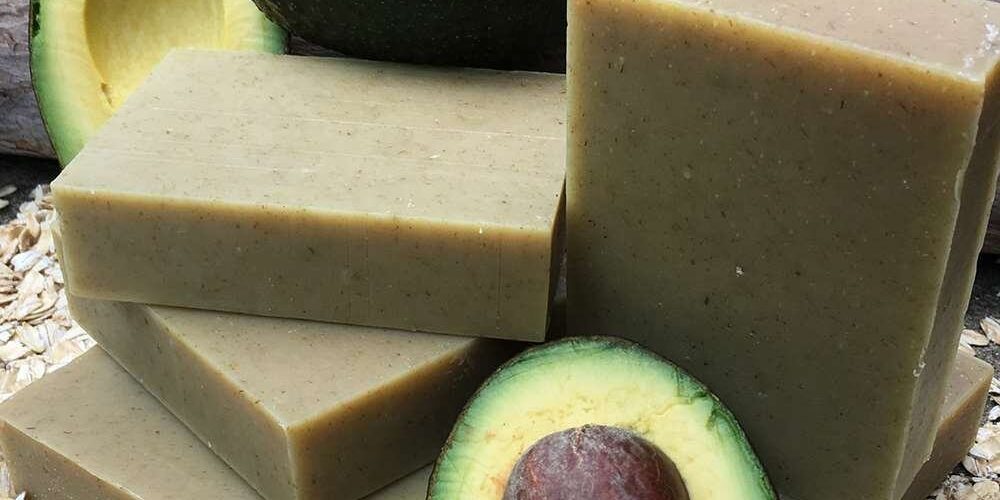
🌿 Why Certification Matters in the Soap Industry
In today’s global market, simply labeling a product “organic” is not enough. Buyers, retailers, and consumers demand proof that soaps meet recognized international standards. Organic soap suppliers play a critical role by obtaining certifications that verify their products are safe, authentic, and eco-friendly. These certifications not only open doors to global trade but also build trust with customers.
📜 Types of International Certifications
Professional Organic Soap Suppliers pursue a variety of certifications, depending on the markets they serve:
-
USDA Organic – required for products entering the United States.
-
COSMOS Organic / ECOCERT – widely accepted in Europe.
-
ISO Standards – ensure consistent production and safety practices.
-
Fair-Trade Certification – supports ethical sourcing of raw materials.
By meeting these standards, suppliers ensure their products are suitable for export to multiple regions.
🔬 Quality Control and Compliance Processes
Certification requires strict adherence to production protocols. Suppliers implement:
-
Traceable sourcing of organic oils and botanical ingredients.
-
Non-GMO and chemical-free formulations.
-
Routine audits and inspections by third-party organizations.
This structured approach guarantees that every batch of soap maintains the same level of purity and quality.
🎯 Benefits for B2B Buyers
Working with certified suppliers gives wholesale buyers significant advantages:
-
Assurance of quality and authenticity for marketing claims.
-
Simplified import approvals in regulated markets.
-
Access to eco-conscious consumers seeking certified products.
For boutique brands and large distributors alike, certifications provide a competitive edge.
📦 Wholesale Supply and Market Scalability
Certification alone is not enough—suppliers must also deliver at scale. Partnering with experienced Soap Wholesale Suppliers ensures:
-
Large production capacity for bulk orders.
-
Consistent supply chains supporting international logistics.
-
Competitive wholesale pricing without sacrificing certification integrity.
This combination of compliance and scalability is what makes certified organic soap successful in global markets.
🌱 Sustainability as Part of Certification
Most certifications today emphasize sustainability alongside product safety. Organic soap suppliers integrate:
-
Palm-free and vegan alternatives.
-
Eco-friendly packaging such as compostable or recyclable wraps.
-
Carbon-conscious manufacturing practices.
These initiatives help businesses align with global green policies while appealing to eco-conscious consumers.
🤝 Building Long-Term Trust with Buyers
Certification is not a one-time achievement—it requires ongoing commitment. Long-term partnerships with certified suppliers provide buyers with:
-
Consistency in product quality and labeling.
-
Ongoing support for regulatory updates.
-
Innovation in certified product lines such as new organic blends.
This ensures stable growth and reduced risk when expanding into new markets.
✅ Conclusion
International certifications are vital in today’s competitive personal care market. By working with organic soap suppliers that meet global standards, businesses can ensure compliance, build consumer trust, and expand internationally with confidence. Certified suppliers provide not just soap, but credibility, sustainability, and scalable wholesale solutions for long-term success.